
Groups that travel together want great views, clear plans, and moments they can share. Families, friends, clubs, schools, and company teams can all find a route that keeps interest high.
My Greece Tours can point a group toward the country’s best mix of famous ruins, harbour walks, island water, and local food. The strongest plan puts a big sight first, then leaves room for a slower stop.
That balance lets keen history fans, beach lovers, and curious food fans enjoy the same day. It also gives every group a simple way to talk, laugh, and take home shared stories.
A clear plan also helps a group leader focus on people rather than small travel problems. It lets the organiser enjoy the journey as much as everyone else.
A good group route starts with a clear aim, then adds choices that suit different energy levels. Some groups want stone cities and stories from long ago. Others want a boat, a beach, or a shared meal beside the water.
The best plans join those wishes without rushing from place to place. They show what to see first, which kinds of outings fit each group, and which useful extras make the day easier.
With the right mix of guidance and free time, a party can stay together while each person still finds something special. It makes every shared hour feel more useful and less tiring. The result feels social, simple, and full of discovery.
Why Do Groups Love Greece Tours On Crete, Rhodes And Corfu?
Groups love these islands because grand ruins, bright old towns, calm coves, and shared meals fit many interests without making the day feel rushed.
Greece tours and Tours In Greece can combine history, water, and food within a plan that feels clear for every kind of group. Each stop gives people a choice between a quiet view, an active outing, and a calm place to sit together.
Which sights should a group put first in Crete, Rhodes and Corfu?
On Crete, Knossos Palace gives groups a direct look at rooms, painted walls, and the stories of the Minoans. The Minoans were an early people of the island. Heraklion adds lively streets and museums, so a group can pair old objects with a city stop.
Chania’s old harbour has a lighthouse, small boats, and waterside lanes that suit an easy stroll. Balos and Elafonisi offer pale sand and clear water, with space for a relaxed beach pause. These places work well when part of the group wants views and another part wants a swim.
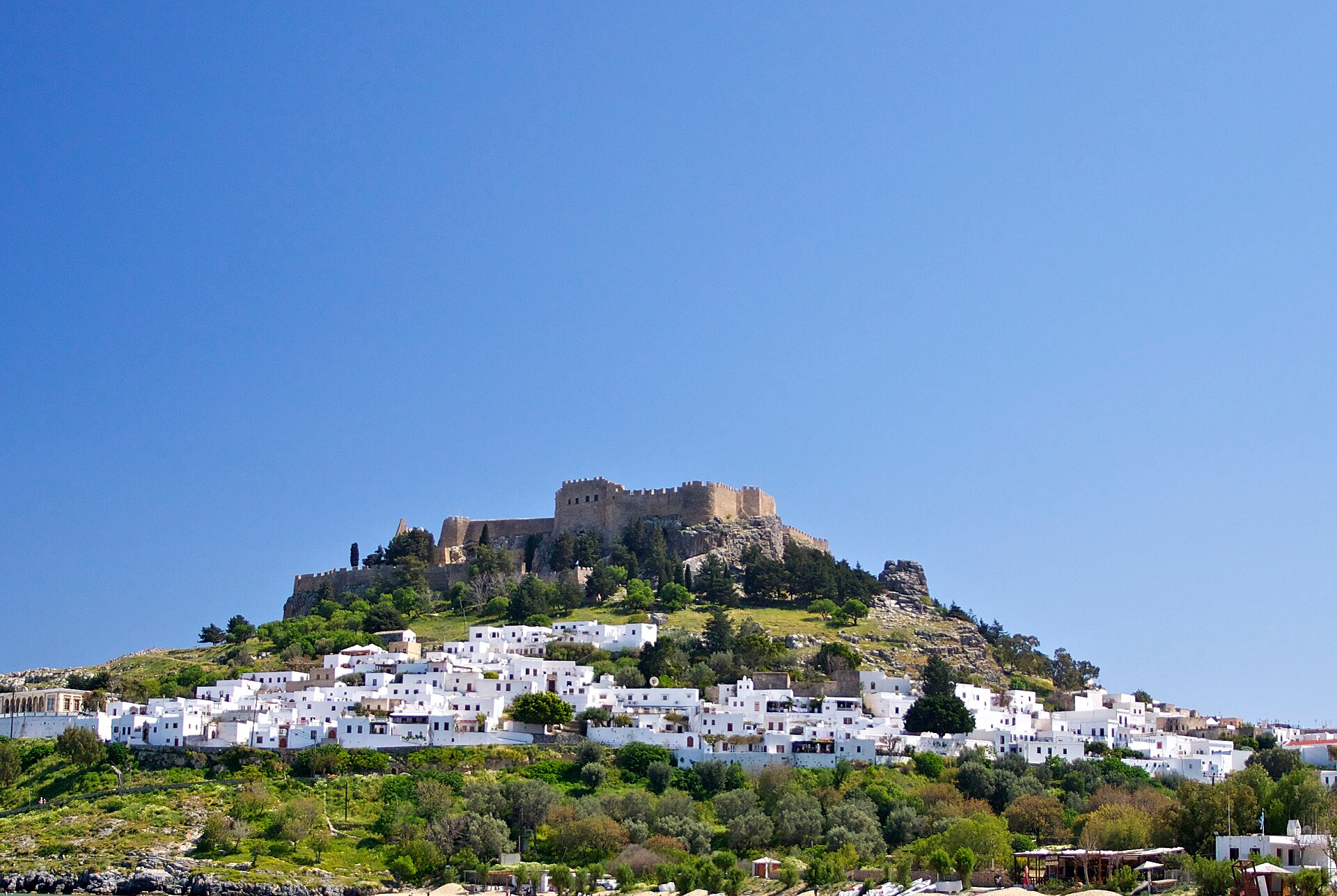
Lindos stands above a bay, while Rhodes Old Town holds stone lanes, gates, and walls from past rulers. Corfu’s old town and its fortresses show how cities once guarded the coast. Zakynthos adds Navagio and the Blue Caves, where bright water and rock shapes make the sea trip memorable.
What Greece tours run for groups in Crete, Rhodes and Corfu?
Private routes with a driver-guide or skipper suit groups that want their own rhythm. They are priced per group, so friends or families can make choices together. A driver-guide explains places on land, while a skipper keeps a sea outing simple.
Boat cruises with swim stops fit groups that want more time on the water. Full-day trips from Athens by coach suit clubs, school groups, and teams that prefer an organised land route. Both styles help people arrive together and avoid separate travel plans.
Cooking classes and wine tastings suit groups that like doing something with their hands or sharing a table. They give quieter members a friendly way to join in.
What do groups get on Greece tours in Crete, Rhodes and Corfu?
Lunch or a BBQ meal gives a group a natural break and reduces the need for separate meal plans. Drinks sometimes come without a set limit, which keeps the table relaxed. These shared breaks also make it easier to check that everyone is comfortable.
A licensed or local guide adds plain answers when old sites or island customs seem confusing. Free time to explore lets faster walkers browse while others rest nearby. This mix helps different interests fit into the same outing.
Wine tastings bring local flavours into the day, while swim stops offer a cool change from walking. Together, these extras turn transport between sights into part of the fun.
How do groups keep Crete, Rhodes and Corfu easy?
Groups keep island days smooth by meeting early, before busy lanes and popular beaches fill up. A shared meeting point, clear names, and a simple headcount prevent people from drifting apart. Comfortable shoes help in old streets, where stone can feel uneven.
Water, sun cover, and a light layer help with changing weather on land and sea. For boat time, each person should keep phones and small items dry. A calm plan with free time keeps the group cheerful. It leaves space for a simple snack.


Why Do Groups Love Greece Tours On The Mainland?
The mainland gives groups bold ruins, mountain views, strong town life, and clear stories about ancient people, making every shared stop feel meaningful. Groups can move from old stones to cafes, museums, and bright town squares without losing the thread of the day.
These routes also suit people who prefer land travel, easy coach movement, and town stops over island boats.
Which sights should a group put first in the mainland?
At Delphi, the Oracle was a person believed to pass on a god’s answer. The museum holds objects found at the holy site, helping groups understand what they saw outside. Meteora shows monasteries, homes for religious communities, standing on high rock cliffs. The setting gives the history a strong sense of place.
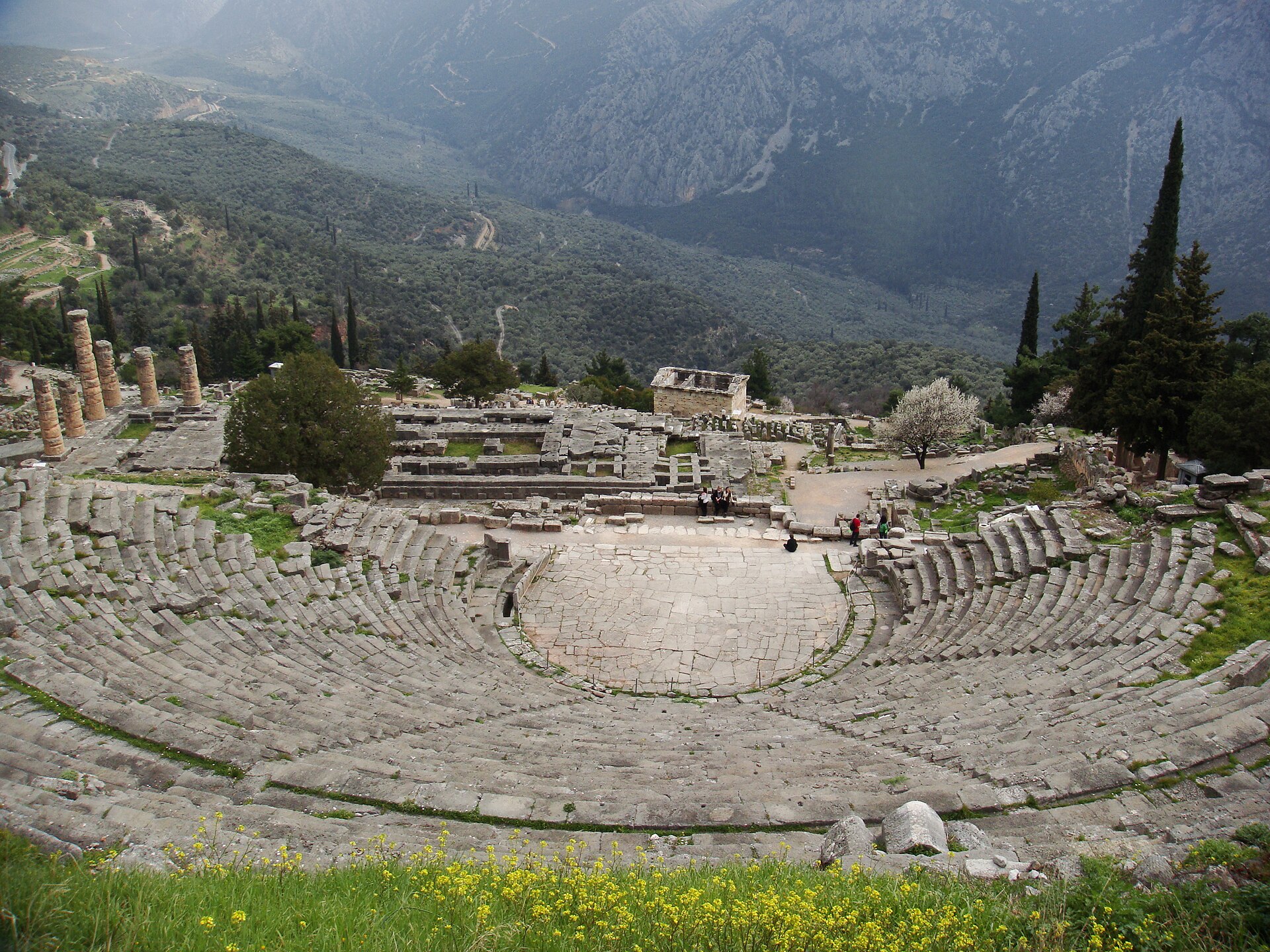
Mycenae has the Lion Gate and tombs, places built for the dead. They reveal a powerful Greek society from very long ago. Nearby Epidaurus has a large theatre that still helps groups picture public shows from the ancient world. Its open shape makes the purpose of a theatre easy to understand.
Nafplio brings a graceful old town and Palamidi, a fortress built to defend the area. Ancient Olympia has the stadium connected with early athletic contests. The Corinth Canal cuts through rock and gives groups a striking view of ships moving between two seas.
What Greece tours run for groups in the mainland?
Small-group tours work for friends, clubs, and mixed-age groups that want a social day without handling every detail. Full-day trips from Athens by coach suit schools and company teams that prefer clear transport and one shared schedule. A guide can answer questions during breaks.
Guided walking tours suit groups that want to slow down in a town or historic site. A guide can point out details that are easy to miss. Entry tickets suit groups that want to explore at their own pace. They make room for personal interests within a shared route.
Multi-day tours with hotel nights suit groups that want several mainland places without changing plans each morning. They keep the journey connected and reduce the work of moving luggage. Everyone can settle before the next drive.
What do groups get on Greece tours in the mainland?
A licensed or local guide gives context before a group sees a temple, tomb, or fortress. The guide can make hard history words simple, so younger guests and adults stay interested. This shared story gives every stop a stronger purpose.
Entry tickets remove a common delay at busy sights. They help the group enter together and use more time for views, photos, or a quiet break. That helps a leader keep the day steady. It also makes arrivals feel less crowded.
Hotel nights on multi-day trips give the group a familiar place to rest between outings. They also make room for an evening meal and an easy start the next day. A settled base gives each person time to recharge.
How do groups keep the mainland easy?
Mainland days feel easier when the group agrees on meeting points before entering a site. A leader can share the guide’s name and coach details in advance. Supportive shoes and a light bag make stone paths and town streets more comfortable.
Water, sun cover, and a light rain layer suit changing conditions near hills and open ruins. Groups should leave room for a cafe pause. It gives slower walkers time to rest and keeps the mood friendly. A shared map keeps directions simple.
Why Do Groups Love Greece Tours In Santorini And Mykonos?
These islands give groups bright cliff views, lively harbour scenes, striking rocks, and sea time, with choices that suit both quiet and active days. Each island adds its own character, yet the shared rhythm stays simple, clear, and easy to follow. A group can follow one route or divide its attention between land, local food, harbour scenes, and water.
Which sights should a group put first in Santorini, Mykonos and their neighbours?
Oia and Fira sit on Santorini’s cliffs, where white buildings face the blue sea. A trip to the volcano and hot springs adds a different view of the island’s volcanic past. The dark rocks show how fire once shaped this land. The sea and stone give groups a strong setting for photos.
On Mykonos, Little Venice and the windmills bring sea views close to the town lanes. Ancient Delos has broken temples and homes from a Greek city of long ago. It helps groups see how daily life once looked.
Milos offers Kleftiko and Sarakiniko, where sea-cut stone creates bold shapes. Naxos has an old town and the Portara, a huge stone gateway from an unfinished temple. Paros adds Naoussa and Lefkes, with white lanes and calm village scenes. Each stop brings a new view without losing the easy island mood.
What Greece tours run for groups in Santorini, Mykonos and their neighbours?
Private routes with a driver-guide or skipper suit groups that want to choose stops together. They are priced per group, which makes the plan easy to share. Small-group tours fit people who like a ready-made route with other visitors.
Boat cruises with swim stops give friends and families a full sea day. Full-day trips from Athens by coach suit groups that want an organised mainland base before island time. Snorkel and beginner scuba trips suit groups ready to learn in clear water.
Cooking classes and wine tastings suit groups that want food and local flavours in a relaxed setting. They also work well when a sea plan is not the main aim.
What do groups get on Greece tours in Santorini, Mykonos and their neighbours?
Lunch or a BBQ meal makes a boat outing feel like a shared occasion rather than a simple transfer. Drinks sometimes come without a set limit, keeping a group comfortable between stops. These breaks also help everyone regain energy after sun and swimming.
Snorkel gear lets people look below the surface without bringing their own equipment. Wine tastings give food fans a calm social stop. Both extras help the group enjoy a place in more than one way. They also offer an easy pause from bright coastal paths.
Swim stops give confident swimmers a chance to cool off and let others enjoy the view from the boat. A clear guide briefing helps everyone know what to expect. It can also show where people should wait before leaving the water.
How do groups keep Santorini, Mykonos and their neighbours easy?
Island lanes can be steep and boats can feel busy, so groups should agree on a meeting place before exploring. Flat shoes, water, sun cover, and a light layer keep people more comfortable. A small dry bag protects phones near the sea.
Groups should plan popular viewpoints early and leave unhurried time for photos. A leader can repeat the return plan before anyone wanders off. That simple habit makes a busy island day feel calm and clear. It also makes room for slower steps.


Why Do Groups Love Greece Tours In And Around Athens?
Athens gives groups famous hilltop ruins, walkable old lanes, lively city scenes, and a nearby coast, all tied together by strong local stories. Groups can combine a landmark visit with food, a stroll, a museum visit, or a calm sea break. That variety suits different energy levels and helps the group use shared time without too much walking or waiting.
Which sights should a group put first in Athens and its coast?
The Parthenon stands on the Acropolis hill and shows the scale of an ancient temple, a building used for worship. Nearby, the Erechtheion has maiden statues that support part of its roof. These sites make Athens’ old past feel close. They also give groups a clear first view of the city.
The Acropolis Museum displays objects from the hill in clear rooms. The Ancient Agora was a meeting and market area, while the Temple of Hephaestus remains well preserved. These stops explain how citizens once gathered, traded, and talked. The simple displays help each person follow the story.
Plaka and Anafiotika offer narrow lanes and small houses below the hill. Syntagma Square has a guard change that gives groups a formal city scene. The coast road to Cape Sounion adds open water views and a welcome change from central streets.
What Greece tours run for groups in Athens and its coast?
Groups who want sea air near the city can read about the Athens Riviera catamaran tour before they book.
Private routes with a driver-guide or skipper suit groups that want a flexible city and coast plan. They are priced per group, making choices easier for families, friends, or company teams. A guide can join the history of the hill with daily city life.
Boat cruises with swim stops suit groups that want a sea break after city walks. Guided walking tours suit clubs, school groups, and food fans who want details at street level. Both styles keep people close together in a busy place.
Cooking classes and wine tastings suit groups that enjoy sharing skills and flavours. They bring an easy social moment into a plan focused on sights.
What do groups get on Greece tours in Athens and its coast?
Lunch or a BBQ meal gives the group a fixed pause before the next stop. Drinks sometimes come without a set limit, which keeps a coast outing simple. A shared table also helps a leader check that everyone has what they need.
A licensed or local guide makes old buildings easier to understand without using hard terms. The guide can explain why a hill, market, or temple mattered to past citizens. This turns a walk into a story the whole group can follow. It also makes the city feel more familiar.
Wine tastings add a relaxed food stop, while swim stops cool people down after city heat. These extras give different ages and interests something to enjoy together. They also make room for an easy chat between sights.
How do groups keep Athens and its coast easy?
Athens stays easier when groups start major sights early and use a clear meeting point nearby. Comfortable shoes matter on uneven stone, and water helps on open hills. A small bag keeps hands free in narrow lanes and on busy pavements.
Sun cover, a light layer, and phone power help through a city and coast plan. Groups should repeat the return time before free time begins. That keeps the whole party moving with less stress and confusion. A steady plan leaves room for enjoyment.
Conclusion: Best Greece Tours For Group Travel, Planned Well
Across islands, coast roads, old towns, and highland sites, the best Greece tours give groups a shared purpose without making every moment the same. A family may want a beach pause, while a school group may want clear history.
Friends may choose a boat meal, and a company team may enjoy a walk or tasting. The right plan gives each person room to enjoy the day in their own way. It also keeps transport, meeting points, and rest breaks easy to manage.
Good timing and a shared pace make the whole route kinder for every person.
Well-planned Greece tours match the route to the group’s interests, comfort, and energy. They pair a big sight with time to breathe and speak with one another. For helpful ideas about choosing the right Greek tour, groups can weigh a few things first.
Guide support, meal breaks, sea time and free time all matter. That simple choice turns a holiday plan into shared memories that feel relaxed, useful, and full of place. When the details work, the group can focus on the country rather than the next arrangement.
Frequently Asked Questions About Best Greece Tours For Group Travel
Which Greece tours do groups enjoy most?
Groups often enjoy a mix of an important sight, a relaxed food stop, and time by the water. The best choice depends on shared interests and comfort. A route with some free time works well for groups with different wishes.
Do Greece tours include transport from the hotel?
Hotel transport depends on the chosen activity and meeting arrangement. Private outings often set a clear pickup plan, while other activities use a shared meeting point. Groups should check the plan before the day begins, so nobody waits in the wrong place.
Are Greece tours safe for big groups?
Big groups stay safe when they hear the guide, meet at agreed points, and use the same transport plan. A named group leader can track timing and needs. On boats or uneven paths, clear footwear and attention to the briefing matter.
Can groups book Greece tours with a mix of ages?
Yes. A mixed-age group works best with a route that pairs a main sight with rest, food, or sea time. Private options give the group more control over pace. A guide can also help make history clear for younger guests.
How do groups pick between day and multi-day Greece tours?
Day activities suit groups that want a single area and a simple return plan. Multi-day routes suit groups that want several places linked by hotel nights. The best choice depends on how much moving, walking, and group planning feels comfortable.
Which month brings the best weather for Greece tours?
Late spring and early autumn often bring pleasant weather for walks, city stops, and boat time. Peak summer brings stronger sun and busier popular places. Groups that prefer calm conditions should plan for comfort, shade, water, and early starts.
How do first-time groups book Greece tours?
First-time groups book Greece tours best by naming one organizer, agreeing on the budget early, then locking in the key tours well before travel. This simple order stops last-minute arguments and keeps every seat safe for the people who want it. It also gives the whole group one clear plan to follow.
Pick one organizer and one shared plan
A group trip runs far more smoothly when one person handles all the bookings and payments. That person collects names, checks who wants which Greece tours and holds the final list. This complete guide for group organizers walks through each step, from the first group chat to the very last payment.
The organizer should also set a clear deadline for answers. Friends, big families and company teams often take weeks to agree, while the most popular Greece tours fill up fast in summer. A short poll with two or three tour choices gets faster replies than an open question.
It helps to keep the whole plan in one shared online document. List the Greece tours, the meeting points, the pickup times and who has already paid. When everyone sees the same page, far fewer worried messages reach the organizer late at night.
Book the big pieces first
The order of booking is very important for Greece tours. Flights and hotels come first, because tour pickup times depend on where the group sleeps each night. Island trips come next, since ferry seats for large groups sell out quickly on the busiest summer routes.
These Greek ferry booking tips explain how to find good routes and seats side by side. Booking every ticket under one name keeps the whole group together in the same part of the boat. It also makes boarding faster when the party reaches the port at the same time.
Simple day tours and evening dinners can be reserved last. Still, Greece tours with fixed group sizes, like boat trips, wine tastings or cooking classes, need early booking. Groups that want one set route across many towns can learn how to choose the right escorted itinerary before they pay anything.
Payments are simpler when the organizer collects money in stages. A first payment holds the Greece tours and hotels, and the rest follows closer to travel. This keeps the cost lighter for everyone and stops one person from paying for the whole group.


Which Greece tours keep big groups comfortable?
Greece tours with private transport, short drives, shaded breaks and flexible start times keep big groups comfortable from the first stop to the last. Comfort matters even more in a group, because one tired or hungry person can slow down everyone else. Small, careful changes make the whole day more enjoyable.
Choose private or small-group formats
Large groups benefit greatly from tours that only include their own people. The vehicle waits for them, the guide talks to them and the pace fits their energy. Many organizers compare small group and private experiences before they settle on a standard shared tour with strangers.
Private Greece tours also let the group pick its own start time each morning. Early starts beat the heat and the crowds at the most famous ancient sites in high season. Later starts suit friends who stayed up for a long, happy dinner the night before.
For full control, private tours built around the group let the organizer shape every single day. The group can add a beach stop, skip a museum or stay longer at a family-run taverna for lunch. That freedom keeps moods high, especially on longer Greece tours.
Plan for heat, food and rest
Greek summers are extremely hot, so comfort starts with plenty of water and shade. Good Greece tours build in regular breaks under trees or inside cool cafes. Every person in the group should carry a hat, sun cream and a refillable water bottle on every excursion.
Food stops matter just as much on Greece tours as the sights. Big groups need tables booked ahead, because small tavernas fill up fast at lunchtime in high season. A guide or driver who phones ahead saves the group from standing in the sun while staff push tables together.
Families with young children need extra rest time built into the day. These family-friendly Greece travel tips cover snack breaks, quiet hours and easy places to stay. Planning calm time into the schedule helps parents enjoy Greece tours as much as their children do.
How do groups choose a guide for Greece tours?
Groups choose a guide for Greece tours by checking the state license, asking about group experience and testing how clearly the guide speaks. A good guide turns old stones into real stories that everyone remembers. A weak one turns a wonderful day out into a long and tiring lecture.
Check the license first
In Greece, only state-licensed guides may lead groups inside archaeological sites and museums. Archaeological sites are places where old ruins have been carefully dug up and protected. A licensed guide has passed official training and always carries a card that proves it to site staff.
Organizers should ask to see this card or check it with the tour provider before paying. An unlicensed guide can be stopped at the entrance, which leaves the group without anyone to explain the site. That problem is easy to avoid with one important question.
The license matters most at the busiest stops on Greece tours. Groups asking whether Acropolis guided tours are worth it will find that a skilled guide knows the best route around the crowds. The Acropolis is the old hilltop fortress of Athens, crowned with ancient temples to the gods.
Match the guide to the group
Every group has its own personality and its own pace. A company team often wants short talks and plenty of photo time, while a history club wants detail at every column. The best Greece tours match the guide to the mood and interests of the group.
Before booking, the organizer can ask how large the guide’s usual groups are. It also helps to ask whether the guide uses headsets in crowded places, so people at the back can still hear. Clear, confident answers show that the guide has led big groups many times before.
Respect for local ways matters on Greece tours too. Good guides share simple customs, like covering shoulders and knees when visiting churches and monasteries, where monks and nuns live. This guide to cultural etiquette for Greece visitors covers polite habits that help every group make a good impression wherever it goes.
How do groups keep Greece tours stress-free?
Groups keep Greece tours stress-free by sharing one clear schedule, setting meeting points, packing light and leaving free time between tours. Most stress on group trips comes from rushing, waiting and confusion about the daily plan. A little planning before each day removes all three problems.
Keep everyone on the same page
A shared group chat works well for Greece tours of every size. The organizer posts the next day’s plan each evening, with pickup times, meeting places and what to bring. Everyone reads it once and stops asking the same question again and again.
Meeting points need extra care at big archaeological sites, busy markets and ports. Pick one clear spot, like a cafe sign or a large tree, and share a photo of it in the chat. Then anyone who wanders off or gets lost knows exactly where to return.
A simple checklist for each day helps the whole group too. The organizer can post it in the chat every morning, well before the bus or van arrives at the hotel. Reading it is quick and prevents many forgotten items later.
- Tickets and ID for every person
- Water, hats and sun cream
- Charged phones with the group chat open
- Some cash for small purchases
- Comfortable shoes for stone paths
Leave room for rest and travel days
Packing too much into each day is the most common mistake on group trips. Greece tours feel much better with real gaps between them. A free afternoon lets people swim, shop or nap, and they come back happier and ready for the next tour.
Travel days need the most room of all, especially for large groups. Island hopping on Greece tours takes longer than maps suggest, with check-in, boarding, luggage and slow harbour exits. These tips for ferry travel help groups board smoothly, find seats together and keep every bag in sight.
On the mainland, some groups mix private transfers with trains and buses to save money. This guide to exploring Greece by public transport shows how the main routes work. Staying alert in crowds matters too, and these safety tips for Greece help keep bags and phones secure.
Rest days also give groups a chance to explore at a relaxed speed. Some friends head to the beach, while others visit a museum or a local market. When everyone meets again for dinner, the shared stories make the whole trip feel even richer.


Which Greece tours suit groups on a tight budget?
Budget Greece tours for groups lean on walking tours, shared day trips, public ferries and free sites, so every person pays a small share. Groups that plan carefully still see the big sights and eat very well. The secret is spending only where it truly adds to the trip.
Choose walking tours and free sights
City walking tours are among the cheapest Greece tours for groups who want to learn about local life. A local guide leads everyone on foot through old streets, markets and squares, so there is no transport cost. Splitting one guide’s fee across a big group makes each person’s share very small.
Athens is full of sights that cost nothing to enjoy. Groups can explore the old Plaka streets, watch the changing of the guard at Parliament and climb Philopappos Hill for wide views. This list of free attractions in Athens helps organizers fill whole afternoons without spending anything.
State museums and ancient sites in Greece offer free entry on certain days each year, so organizers should check before booking. Children and many students also pay less, which helps big families keep their costs down. Those savings can then pay for a licensed guide at the most important site.
Travel and eat like locals
Transport is often the biggest cost on budget Greece tours. Public ferries, intercity buses and the Athens metro cost far less than private transfers. These budget tips for Greece visitors show how groups can travel well for less without missing the best places.
On island Greece tours, slow ferries cost less than fast boats, and they give groups a relaxing deck full of sea views. Booking early and sitting together in the open areas keeps the journey social. For a big group, the savings add up quickly on every island hop.
Food can stay cheap as well. Bakeries sell filling pies, and street stalls serve souvlaki, which is grilled meat wrapped in warm pita bread. These budget travel tips for Athens point groups toward simple tavernas where sharing big plates keeps the bill low.
Self-catering helps big groups too. Renting apartments with kitchens lets families and friends cook simple breakfasts and picnic lunches together, which keeps budget Greece tours easy on everyone. Fresh bread, cheese, tomatoes and fruit from a local market make a cheap and tasty beach lunch.
Which Greece tours suit groups with a mid budget?
Mid-budget Greece tours mix shared and private parts, with a private guide at major sites, comfortable hotels and group food or wine tastings. This middle path gives groups real comfort without luxury costs. It also leaves room for a few special treats along the way.
Mix private guides with shared transport
The smartest mid-budget plan spends money only where it truly matters. A private licensed guide at the Acropolis or Delphi turns a crowded visit into a clear and exciting story. Then the group can save by using comfortable shared transport between towns and islands.
Private minibus day trips are another good middle choice among Greece tours for groups. When the cost is shared by friends or a whole family, it often matches the price of separate seats on a big coach. The group also gets its own driver, its own stops and far more freedom.
Mid-budget Greece tours also work well with eco-friendly hotels and small family guesthouses. These eco-friendly accommodations in Greece offer comfort, local breakfasts and a lighter footprint on the islands and mainland. Some have shared courtyards where a group can gather in the evening.
Add food and wine experiences
Food tours are a great place to spend a little more on Greece tours. A cooking class or a market walk with tastings gives the whole group a fun, hands-on day together. Before booking, this guide to Greek food to try on tour helps everyone know what to order.
Wine tastings suit friends, clubs and company teams especially well, because they turn a quiet afternoon into a party. Santorini, Nemea and Naoussa are well-known wine areas, each with its own local grapes and style. This guide to popular wine regions in Greece helps groups choose where to taste.
Hiring a private van for a wine day keeps everyone safe and relaxed, since nobody in the group has to drive. Shared across the group, that cost stays firmly in the middle range. It also lets the group visit two or three wineries in one easy afternoon.


Which Greece tours suit groups who want luxury?
Luxury Greece tours for groups include private yacht charters, villa stays, private guides with chauffeured cars and exclusive experiences planned around the group’s schedule. At this level, every detail is handled for the group. The focus moves from saving money to saving time and adding comfort.
Charter a private yacht or villa
A private yacht is one of the most memorable ways for a group to see the islands. The boat becomes a floating home, with a skipper who knows quiet bays that big ferries never reach. This guide to sailing holidays in Greece explains the main charter choices for groups.
A skipper is the captain who steers the boat and plans each day’s route. Crewed charters can also add a cook, so the group eats fresh Greek meals on deck. Friends and families share cabins, swim from the boat and wake up in a new harbour.
On land, a private villa gives a big group space to relax together. Luxury villas often come with a pool, a large kitchen and outdoor tables for long dinners. Luxury Greece tours then start right from the villa door, with a private car waiting each morning.
Book private experiences for special trips
Luxury Greece tours often mark big moments, such as anniversaries, milestone birthdays and weddings. Island chapels, cliff-top terraces and old mansions make stunning settings for these celebrations. These top Greece wedding destinations show where wedding parties and their guests gather for unforgettable days.
Santorini is a favourite for luxury groups, thanks to its famous cliff views and sunsets. Private boat trips around the caldera, which is the huge flooded crater of an old volcano, feel very special for a group. This page on Santorini private tours covers exclusive options and day excursions.
Private guides on luxury Greece tours work like personal hosts. They plan visits for quieter times, book the best restaurant tables and change plans on the spot. For company groups, this service turns Greece tours into a true reward for the whole team.
Which Greece tours give groups the best value?
The best-value Greece tours mix free sights, shared transport and a few private highlights, giving every person rich memories at a fair cost. Value is not about the lowest cost. It is about how much joy each share of money brings to the group.
Travel off-peak and fill every seat
Spring and autumn are the sweet spots for value on Greece tours. Hotels and boats often cost less than in high summer, and the main sites feel calmer. These shoulder seasons are simply the quieter months just before and after the busiest summer weeks.
Booking the whole group together on Greece tours also brings value. Many guides and boat owners charge one price for a private group, so each extra friend lowers the share for everyone. Filling every seat turns a private trip into a smart deal.
Staying longer in fewer places saves money too. Every move between islands costs money and eats up much of a day, so fewer moves mean more time to enjoy. Greece tours built around two or three bases feel calmer and cost less overall.
Travelling gently also helps the places groups love. This guide to sustainable travel in Greece shows how to explore responsibly, from using refillable bottles to choosing local guides. Spending money at family-run shops and tavernas keeps value flowing to the people who live there.
Enjoy free moments between paid tours
Some of the best moments on Greece tours cost nothing at all. Swimming at a public beach, wandering through a hill village or watching fishermen mend nets gives a group lasting memories. Mixing these free moments with a few paid tours stretches every share of the budget.
Sunsets are the perfect free group activity in Greece. Friends gather with snacks on a hill, a harbour wall or a quiet beach and watch the sky turn gold and pink. These best sunset spots in Greece help groups find great views away from the biggest crowds.
A clear value plan helps any group balance fun and cost on Greece tours. Organizers can use this simple checklist when they build the trip.
- One private guide at the most important site
- Shared transport for long journeys
- Free walks, beaches and sunsets in between
- Group meals with large shared plates
- One special treat, like a boat day
Following this pattern, groups enjoy Greece tours that feel generous without straining anyone’s wallet. Everyone comes home with great stories, shared photos and no money worries hanging over them.
Which destinations do group Greece tours include?
Group Greece tours include famous islands like Mykonos and Rhodes, mainland sites like Athens and Meteora, and quieter islands such as Milos and Sifnos. Each place has something different, so groups often mix beaches, ancient ruins and village life in one trip. The lists below show where each destination shines for friends, families and teams.
Islands
The best-known islands give groups lively towns, clear water and easy boat links to each other. Greece tours on these islands often pair a lazy beach day with an evening walk through old harbour streets. Each island has its own mood, from busy party nights to quiet castle lanes.
- Mykonos: windmills, whitewashed lanes and lively beach clubs for big groups
- Naxos: long sandy beaches, mountain villages and a huge ancient marble doorway
- Paros: pretty fishing harbours, calm beaches and easy family-friendly villages to explore
- Rhodes: a walled old town where knights once lived, plus sunny beaches
- Corfu: green hills, old forts built by Venice and elegant town streets
Mainland
Mainland Greece tours bring groups face to face with the great stories of ancient Greece. Several famous sites sit within an easy day trip of Athens, while Meteora and Olympia suit an overnight stay. A licensed guide brings each set of ruins to life for the whole group.
- Athens: the Acropolis hill, the Parthenon temple and lively old Plaka streets
- Meteora: monasteries, the homes of monks, built on top of giant rock towers
- Olympia: the birthplace of the ancient Olympic Games and its old stadium
- Mycenae: the Lion Gate and a hilltop palace linked to King Agamemnon
- Epidaurus: an ancient open-air theatre famous for its almost perfect sound
More islands
Groups who already know the famous islands often look for calmer Greece tours next. These islands offer wild beaches, small villages and slower days, which suits families and clubs who want more space. Ferries link them to the main routes, and some of them also have their own airports.
- Milos: colourful fishing houses and moon-like white rocks at Sarakiniko beach
- Kefalonia: deep blue caves, green mountains and the famous Myrtos beach below cliffs
- Zakynthos: Shipwreck Beach, nesting sea turtles and bright blue sea caves
- Sifnos: pottery workshops, tasty home cooking and peaceful hilltop villages with chapels
How do groups plan Greece tours over twelve days?
Groups plan twelve-day Greece tours best by spending five days around Athens and the Peloponnese, two at Meteora and five on Crete and Santorini. This order moves from history to mountains to beaches, so energy stays high all trip. It also keeps the route simple, with only one return to Athens before the islands.
Days one to five: Athens and the Peloponnese
Most group Greece tours start in Athens, home to the country’s main airport. Day one is for settling in, with a gentle walk around the old town and a long welcome dinner. Day two covers the Acropolis, the Acropolis Museum and the lively streets below with a licensed guide.
Groups with less time can compare this seven-day Greece itinerary, which covers Athens, Santorini and Mykonos at a quicker pace. With twelve days, though, the mainland deserves much more time. That extra time is what makes longer Greece tours feel relaxed instead of rushed.
Days three and four head into the Peloponnese, the big southern part of the mainland. A private coach reaches Mycenae, the hilltop home of ancient kings, and the huge stone theatre at Epidaurus. Groups can spend the night in Nafplio, a pretty seaside town below a hilltop fort.
Day five heads west to Olympia, where the ancient Olympic Games began. Groups can walk through the stone tunnel into the old stadium and even race each other on the track. It is a favourite moment for families, sports clubs and company teams alike.
Days six and seven: Meteora
Day six is a long but scenic drive north, crossing the big bridge over the Gulf of Corinth. The road passes close to Delphi, the ancient site where people once asked a priestess about the future. A short stop there breaks up the journey and gives the group fresh mountain air.
Meteora means “hanging in the air”, and the name fits perfectly. Monasteries, which are homes for monks and nuns, sit on top of giant rock towers above the plain. Getting there in the late afternoon gives groups a first look at the rocks glowing in soft golden light.
Day seven covers the monasteries with a licensed guide. Groups should dress modestly, with covered shoulders and knees, and wear good shoes for the many stone steps. In the evening, a train or coach takes the group back toward Athens, ready for the island flight next morning.
Some organizers prefer to build this part of their Greece tours without a full package. This guide to self-guided Greece itinerary planning explains how to book transport, hotels and guides piece by piece. It suits organizers who like to shape every part of the trip on their own.
Days eight to twelve: Crete and Santorini
Day eight starts with a short flight from Athens to Crete, the largest Greek island. Groups can stay in Heraklion and visit Knossos, the palace of the Minoans, an early people of Crete. Their bright painted walls and clever water pipes still amaze visitors of every age.
Days nine and ten leave time for Crete’s beaches, mountain villages and long family-style meals. A boat trip or a gentle gorge walk keeps everyone active without rushing. These slow days make Greece tours feel like a real holiday instead of a race.
Day eleven takes a fast ferry from Crete to Santorini, a ride with wide views of open sea. This guide on how to travel between Greek islands compares ferries, flights and smart island-hopping routes for groups. Booking seats together early keeps the whole party side by side on the boat.
Santorini’s cliff villages and black sand beaches fill the rest of day eleven. The evening ends with a sunset over the caldera, the flooded crater of an old volcano. Day twelve allows a slow breakfast with a view before the group heads to the airport.
This route ends the trip on a high note, with the most dramatic views saved for last. Friends and families fly home with photos of ancient ruins, mountain monasteries and island cliffs. That variety is what makes twelve-day Greece tours so popular with groups.
More questions about Greece tours for groups
Group organizers often ask the same practical questions before they book Greece tours, and clear answers help everyone arrive relaxed and ready. The short answers below cover private boats, young children, seasickness, holidays, cash and spring clothing for groups.
Can a group get a private boat on Greece tours?
Yes, groups can hire a private boat with a skipper on most Greek islands and choose their own beaches and swim stops. This works well for big families and friends who want a special day out together. Sharing the cost across the group makes a private boat day much cheaper than it sounds.
Do Greece tours welcome babies and toddlers?
Yes, many Greece tours welcome babies and toddlers, especially private tours, boat days and short city walks with flexible pace and plenty of breaks. Greek people are famously warm toward young children. Organizers should still check stroller access, since many ancient sites have rough stone paths and steps.
What if someone feels seasick on Greece tours?
Anyone feeling seasick should sit outside near the middle of the boat, watch the horizon and take motion sickness tablets before sailing. Large ferries rock far less than small boats, so groups with nervous sailors can choose bigger ships on windy days. Ginger sweets and sips of water help on island Greece tours too.
Do Greece tours run on public holidays?
Most Greece tours run on public holidays, but some museums, sites and shops close or shorten their hours on the biggest holidays. Greek Easter is the biggest festival of the year, with church services, candles and big family feasts. Groups travelling then should confirm every booking early.
Do groups need cash on Greece tours?
Yes, groups should carry some cash on Greece tours, because small tavernas, kiosks, village shops and tips often work best with coins and notes. Cards work in most hotels, restaurants and larger shops across the country. Splitting shared costs through a payment app keeps everyone’s cash needs small and fair.
Which clothes suit Greece tours in spring?
Spring Greece tours call for light layers, a warm top for evenings and boat trips, comfortable walking shoes and a light rain jacket. Days often feel warm in the sun, while mornings and nights stay cool. Covered shoulders and knees are also needed for visits to churches and monasteries.
See more in Alphatek: